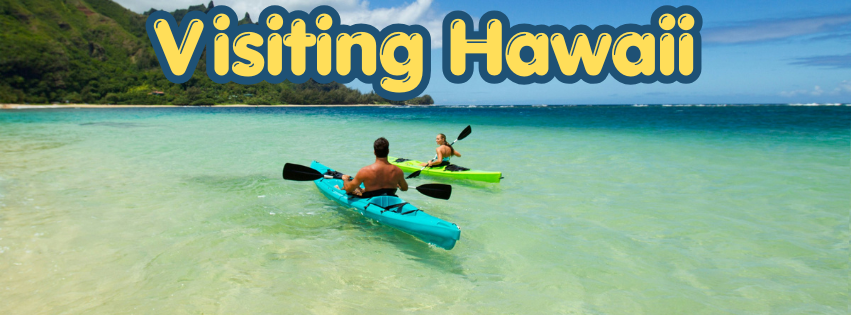
Things to Know Before Visiting Hawaii: the Dos and Don'ts
Hawaii has a way of pulling people in with its beaches, waterfalls, volcanoes, and year-round tropical weather. But the islands are far more than a postcard backdrop or a quick getaway.
Hawaii is home to a deeply rooted culture, a rich history, and traditions that remain incredibly important to Native Hawaiians today.
Many travelers arrive focused on sightseeing and relaxation without realizing that certain places, customs, and even everyday behaviors carry cultural significance. Taking the time to understand those traditions can completely change the way the islands are experienced.
Respectful travel in Hawaii is not about following strict rules or walking on eggshells. It is about being mindful, showing appreciation, and recognizing that these islands are somebody’s home. Visitors who travel with that mindset often leave with a much deeper connection to Hawaii itself.
Understanding the Meaning of Aloha
Most people know the word “aloha” as a greeting, but in Hawaiian culture, it means much more than hello or goodbye. Aloha represents compassion, kindness, patience, and respect for others and the environment.
Traveling with aloha means carrying those values into every interaction. It means respecting the land, treating local communities with care, and approaching the islands with gratitude instead of entitlement.
That mindset shapes the entire Hawaiian experience. Instead of simply consuming what Hawaii offers, travelers become more connected to the culture and the people who preserve it.
Of course, there are other words besides "Aloha" with much deeper meaning than you'd initially think.

Learn the Core Hawaiian Values
Hawaiian culture is guided by several important principles that visitors should understand before arriving.
Aloha reflects love, peace, compassion, and mutual respect. It encourages positive energy in both words and actions.
Mālama ʻāina means caring for the land. Hawaii’s ecosystems are fragile, and protecting them is considered a responsibility shared by everyone.
ʻOhana represents family and community. In Hawaii, relationships and connection matter deeply, even beyond immediate relatives.
Pono refers to doing what is right and living in balance with others and nature.
These values are not just cultural talking points. They shape everyday life throughout the islands and influence how locals interact with visitors.

Respect the Land and Environment
Hawaii’s natural beauty is one of the biggest reasons people visit, but those landscapes are also environmentally sensitive and culturally sacred.
Visitors should always stay on marked trails while hiking. Going off-path can damage native plants, erode landscapes, and disrespect sacred areas.
Coral reefs should never be touched while snorkeling or swimming. Coral is alive, and even minor contact can cause serious damage. The same respect applies to marine life. Sea turtles, monk seals, and dolphins should always be observed from a safe distance.
Trash disposal also matters more than many visitors realize. Beaches, hiking trails, and parks can quickly become polluted when tourism increases. Carrying reusable water bottles, reducing plastic waste, and cleaning up after yourself helps preserve the islands for everyone.
Even small actions can make a significant difference.
Honor Sacred and Historic Sites
Many locations throughout Hawaii hold spiritual and historical importance to Native Hawaiians.
Places like Haleakalā, ʻIao Valley, and ancient heiau sites are not simply tourist attractions. They are culturally sacred spaces connected to Hawaiian history, religion, and ancestry.
Visitors should avoid climbing on rock structures, removing stones or sand, or behaving loudly and disrespectfully in these areas. Silence, awareness, and humility go a long way when visiting culturally significant places.
Ignoring posted signs or crossing restricted boundaries is not only disrespectful but can also damage areas that communities are actively trying to protect.
The best approach is simple: treat every sacred site with the same respect you would show at a historic church, memorial, or cemetery.
Make an Effort With the Hawaiian Language
Learning a few Hawaiian words may seem small, but it demonstrates respect for the local culture.
Simple phrases like aloha, mahalo, and e komo mai are commonly used throughout the islands. Pronouncing place names correctly also shows effort and appreciation.
Hawaiian language nearly disappeared at one point due to colonization and suppression. Today, revitalization efforts remain incredibly important across the state. Even small attempts by visitors to engage respectfully with the language are meaningful.
Support Local Businesses
Tourism is a major part of Hawaii’s economy, but where visitors spend money matters.
Supporting locally owned restaurants, shops, artists, farmers markets, and tour operators helps keep money within Hawaiian communities. It also creates a more authentic experience compared to relying entirely on large chains and resort businesses.
Local businesses often share Hawaiian culture, food, music, and traditions in ways that larger corporate tourism simply cannot replicate.
Whether it is buying handmade crafts, eating locally sourced food, or attending a traditional hula performance, supporting local creators helps preserve the cultural identity of the islands.
Avoid Treating Hawaii Like a Theme Park
One of the biggest mistakes visitors make is treating Hawaii as if it exists purely for tourism.
People live, work, raise families, and build communities across the islands. Respecting local neighborhoods, traffic patterns, beaches, and public spaces matters.
Blocking roads to take photos, leaving trash behind, trespassing onto private property, or behaving loudly in residential areas can quickly create frustration among locals.
Responsible tourism means remembering that Hawaii is not just a vacation backdrop. It is home to real communities with real concerns about overcrowding, environmental damage, and cultural preservation.

Give Back Whenever Possible
Traveling responsibly can also include actively contributing to the islands.
Beach cleanups, reef restoration programs, and conservation projects give visitors opportunities to help preserve Hawaii’s natural beauty. Supporting organizations focused on Hawaiian culture and environmental protection also makes a positive impact.
Even something as simple as choosing eco-friendly tours or donating to local nonprofits can help support the future of the islands.
Travel With Awareness and Respect
A trip to Hawaii becomes far more rewarding when visitors take the time to understand the culture behind the scenery.
The beaches, mountains, and sunsets are unforgettable, but the true spirit of Hawaii comes from its people, traditions, and values. Respecting those traditions helps preserve what makes the islands special in the first place.
Traveling with aloha means approaching Hawaii with gratitude, mindfulness, and care. When visitors do that, they leave with more than photos and souvenirs. They leave with a genuine connection to the islands and a deeper appreciation for the culture that continues to shape them.