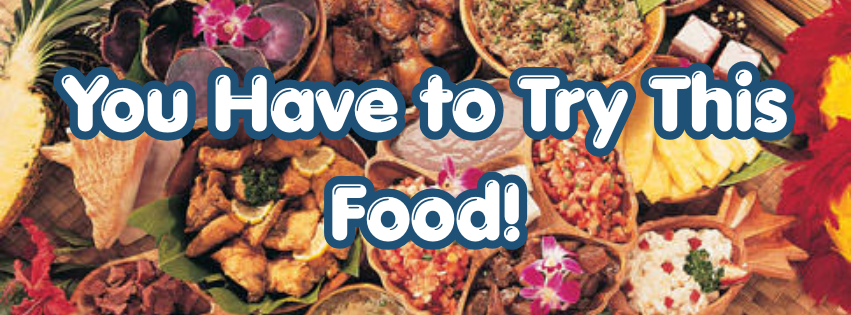
Hawaii’s Food Scene Is Unlike Anywhere Else We've Seen!
Hawaiian food is one of the most unique culinary experiences in the United States because it blends so many different cultures into one local identity. Native Hawaiian traditions mix with influences from Japan, China, the Philippines, Portugal, Korea, and the mainland U.S., creating dishes that feel both comforting and completely distinct.
Some foods are deeply rooted in ancient Polynesian traditions, while others were created more recently through Hawaii’s multicultural communities. Together, they form the foundation of local island cuisine.
Whether someone is grabbing a quick snack from a convenience store, eating at a roadside shrimp truck, or attending a traditional luau, these dishes represent the flavors that define Hawaii.
The Best Hawaiian Foods You HAVE to Try!

Poke
Poke has become internationally popular over the last decade, but nothing compares to eating it fresh in Hawaii.
Traditionally made with raw ahi tuna, poke is typically cut into cubes and tossed with soy sauce, sesame oil, green onions, seaweed, and seasonings. Variations can include spicy mayo, avocado, limu seaweed, garlic, or chili pepper.
The freshness of the fish is what makes Hawaiian poke stand out. In Hawaii, poke is not treated like a trendy health food bowl. It is a deeply rooted local staple found everywhere from grocery stores to small seafood counters.

Kalua Pig
Kalua pig is one of the most traditional Hawaiian dishes and a centerpiece at many luaus.
The pork is slow-cooked underground in an imu, a traditional Hawaiian earth oven lined with hot stones and covered for hours. This cooking method creates an incredibly tender texture and smoky flavor that is difficult to replicate elsewhere.
The meat is usually shredded and served with rice, cabbage, or poi. Despite its simplicity, the flavor is rich, savory, and deeply comforting.

Loco Moco
Loco Moco is classic Hawaiian comfort food at its finest.
The dish starts with white rice, followed by a hamburger patty, brown gravy, and a fried egg placed on top. Some versions add onions, mushrooms, bacon, or multiple patties for an even heartier meal.
It may sound unusual to first-time visitors, but it perfectly captures Hawaii’s blend of American diner food and local island flavor. It is filling, affordable, and extremely popular throughout the islands.

Spam Musubi
Spam Musubi might surprise visitors who are unfamiliar with Hawaii’s love for Spam, but it has become one of the most iconic local snacks in the state.
A slice of grilled Spam sits on top of rice and is wrapped together with nori seaweed. The combination of salty meat, soft rice, and slightly crisp seaweed somehow works perfectly.
Spam became popular in Hawaii during World War II due to military rations and limited fresh meat supplies. Over time, it evolved into a beloved local staple that can now be found in convenience stores, grocery markets, and restaurants across the islands.

Saimin
Saimin reflects Hawaii’s multicultural roots better than almost any other dish.
This noodle soup combines influences from Japanese ramen, Chinese noodles, and Filipino cooking traditions. The broth is usually light and savory, often made with dashi, and served with wheat noodles, fish cake, green onions, eggs, or char siu pork.
Saimin is comforting, simple, and deeply nostalgic for many locals. It remains one of Hawaii’s most recognizable everyday dishes.

Lau Lau
Lau Lau is another traditional Hawaiian dish with deep cultural roots.
Pork, chicken, fish, or butterfish is wrapped inside taro leaves and steamed for hours until everything becomes tender and flavorful. The taro leaves help trap moisture while adding an earthy flavor to the dish.
Lau Lau is commonly served alongside rice and poi at luaus and family gatherings.

Poi
Poi is one of the oldest and most culturally important foods in Hawaii.
Made from pounded taro root, poi has a smooth, thick texture somewhat similar to yogurt or pudding. The flavor is mild and slightly tangy, especially as it ferments over time.
For many visitors, poi can be an acquired taste, but it remains a staple deeply connected to Native Hawaiian history and tradition. Taro itself holds spiritual and cultural significance in Hawaiian culture, making poi much more than just a side dish.

Garlic Shrimp
Garlic shrimp became famous through the food trucks scattered along Oahu’s North Shore.
The dish features shrimp sautéed heavily in garlic, butter, and seasoning, usually served over rice. The flavor is rich, salty, buttery, and incredibly satisfying after a day at the beach.
Giovanni’s, Romy’s, and other shrimp trucks helped turn garlic shrimp into one of Hawaii’s most sought-after roadside foods.

Huli Huli Chicken
Huli Huli chicken is a Hawaiian barbecue favorite known for its sweet and smoky flavor.
The chicken is marinated in a soy-based sauce often containing pineapple juice, ginger, garlic, and brown sugar before being grilled over open flames. The word “huli” means “turn,” referencing the traditional method of rotating the chicken while cooking.
The result is juicy chicken with caramelized skin and a slightly smoky glaze.

Lomi Lomi Salmon
Lomi Lomi salmon is commonly served as a refreshing side dish at luaus.
It combines diced raw salmon with tomatoes and onions, creating a chilled salad-like dish that balances heavier foods like Kalua pig and Lau Lau.
The flavors are fresh, bright, and simple.

Shave Ice
Shave ice is one of Hawaii’s most iconic desserts, especially on hot days.
Unlike traditional snow cones, Hawaiian shave ice uses extremely fine ice that almost melts in the mouth. It is topped with colorful flavored syrups and often layered with extras like vanilla ice cream, sweetened condensed milk, or azuki beans underneath.
Popular tropical flavors include lilikoi, guava, mango, coconut, and lychee.

Malasadas
Malasadas came to Hawaii through Portuguese immigrants and quickly became a local favorite.
These soft, fluffy doughnuts have no center hole and are coated in sugar while still warm. Some are filled with custard, chocolate, haupia, or fruit creams.
Leonard’s Bakery on Oahu helped make malasadas famous statewide, but they can now be found throughout Hawaii.

Haupia
Haupia is a traditional Hawaiian coconut pudding often served at luaus and celebrations.
Made from coconut milk, sugar, and thickening starch, haupia has a creamy texture somewhere between pudding and gelatin. It is commonly eaten on its own or used in pies, cakes, and dessert bars.
Its light coconut flavor makes it the perfect ending to a rich Hawaiian meal.

Hawaiian Food Is Deeply Connected to Culture
Hawaiian cuisine is more than just great food. Every dish reflects generations of migration, tradition, adaptation, and community.
From ancient taro-based staples to modern local comfort foods, Hawaii’s culinary identity tells the story of the islands themselves. Trying these dishes is one of the best ways to experience Hawaii beyond the beaches and resorts.
For many visitors, the food becomes just as memorable as the scenery.