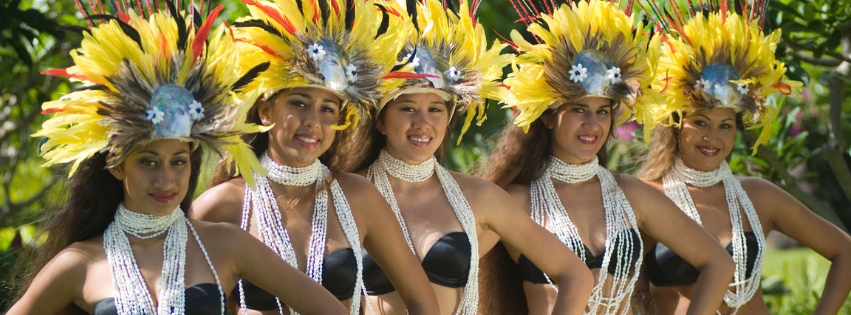
The Sacred Origins of Hula Dancing
Hula is far more than a dance—it is a living, breathing expression of Hawaiian identity, rooted deeply in spirituality, storytelling, and tradition. Long before it became a global symbol of island culture, hula was a sacred practice used to honor gods, ancestors, and the natural world.
In ancient Hawaii, it served as a vital form of communication in an oral society, preserving history, genealogy, and mythology through movement and chant.
Many traditions trace the origins of hula to Hawaiian creation stories, including the Kumulipo, while others connect it to the goddess Laka, who is revered as the patron of hula.
Every gesture, step, and expression carried meaning, often accompanied by chants that told stories of love, war, nature, and the divine. This early form of hula, known as hula kahiko, was deeply spiritual and performed with a sense of reverence and discipline.
Hula Kahiko: The Ancient Tradition
Hula kahiko represents the original, traditional style of hula. It is characterized by its powerful, rhythmic movements and strong connection to chant and percussion. Dancers performed to the beat of instruments such as the pahu drum, bamboo sticks, and gourds filled with seeds, creating a raw and deeply grounded experience.
In its earliest days, hula was often performed by men, particularly in religious and ceremonial contexts.
Over time, women became equally involved, and the art form evolved into a more inclusive practice. Regardless of who performed it, hula kahiko demanded intense training, precision, and respect for tradition.
The movements in hula kahiko are deliberate and symbolic, often mimicking elements of nature like ocean waves, wind, or volcanic activity. Every performance was a form of storytelling, with dancers acting as vessels for history and culture.

Suppression and Survival
The arrival of Christian missionaries in the early 19th century brought dramatic changes to Hawaiian culture, and hula was one of the traditions most heavily impacted. Missionaries viewed hula as inappropriate and pagan, leading to its suppression.
By the 1830s, public performances of hula were effectively banned under the leadership of Queen Ka‘ahumanu, who had embraced Christianity. This forced the practice underground, where it survived quietly among those committed to preserving their cultural heritage.
Despite these restrictions, hula never truly disappeared. It continued to be practiced in secret, passed down through generations by dedicated practitioners who refused to let the tradition die. This period of suppression ultimately became a testament to the resilience of Hawaiian culture.

The Revival Under King Kalākaua
Hula experienced a powerful resurgence during the reign of King David Kalākaua in the late 19th century. Known as the “Merrie Monarch,” Kalākaua believed strongly in preserving and celebrating Hawaiian traditions.
He reintroduced hula to public life, encouraging performances at royal events and integrating it into cultural celebrations. This revival marked a turning point, allowing hula to reclaim its place as a respected and celebrated art form.
During this time, hula began to evolve. While traditional elements remained, new influences were introduced, leading to the development of a more modern style known as hula ‘auana.
Hula ‘Auana: The Modern Expression
Hula ‘auana represents the contemporary evolution of hula, blending traditional storytelling with Western musical influences. Unlike the chant-driven hula kahiko, this style is often performed to melodies played on instruments like the ukulele and steel guitar.
The movements in hula ‘auana are softer and more fluid, emphasizing grace, emotion, and visual storytelling. It is the style most commonly seen in performances today, especially in cultural shows and festivals.
While it may appear more relaxed than its ancient counterpart, hula ‘auana still carries deep meaning. The gestures continue to tell stories, often focusing on themes of love, nature, and Hawaiian identity.

The Role of the Kumuhula
At the heart of hula is the kumu hula, or teacher, who serves as the guardian of tradition. A kumu hula is responsible for passing down knowledge, preserving authenticity, and guiding students through both the physical and spiritual aspects of the practice.
Training in hula is rigorous and deeply rooted in respect. Students, known as olapa, undergo years of discipline and learning before they are recognized as skilled practitioners.
The process of becoming fully trained is marked by a ceremonial graduation, symbolizing mastery and commitment.
This teacher-student relationship ensures that hula remains connected to its origins, even as it continues to evolve.
The Hawaiian Renaissance and Global Impact
The 20th century brought renewed interest in Hawaiian culture, particularly during the Hawaiian Renaissance of the 1970s. This cultural movement sparked a revival of traditional practices, including hula kahiko, which saw a resurgence alongside modern styles.
Events like the Merrie Monarch Festival became central to this revival, showcasing the depth, beauty, and diversity of hula. Today, this festival is considered one of the most prestigious hula competitions in the world, drawing performers and audiences from across the globe.
Hula has since transcended Hawaii, becoming a global symbol of the islands. Yet, despite its widespread popularity, it remains deeply tied to its cultural roots.
More Than a Dance
Hula is not just a performance—it is a way of preserving identity, honoring history, and connecting generations. It tells stories that might otherwise be lost, carrying the voices of ancestors into the present.
From its sacred beginnings to its modern interpretations, hula continues to evolve while staying grounded in tradition. It reflects the resilience of Hawaiian culture, having survived suppression, adapted to change, and emerged stronger than ever.
To truly understand hula is to recognize it as more than movement. It is history in motion, a language without words, and a powerful reminder of the enduring spirit of Hawaii.
All of us at Aloha Sun are always inspired by the amazing and beautiful culture of Hawaii. Without that, the heart and soul of Aloha Sun just wouldn't exist.