One of Hawaii's Greatest Cultural Festivals Celebrates 80 Years
There’s something timeless about Hawaii. It’s not just the beaches or the sunsets or even the music drifting through warm evening air—it’s the feeling. That unmistakable sense of connection, of history, of community.
And nowhere is that feeling more alive than in the Aloha Festivals, a celebration that, in 2026, is marking an incredible milestone: 80 years of sharing culture, stories, and the true meaning of aloha.
80 Years of Aloha Festivals

Eighty years is no small feat, and this year’s theme says it all: 80 Years of Aloha: Our Culture, Our Stories, Celebrating Our Island Home.
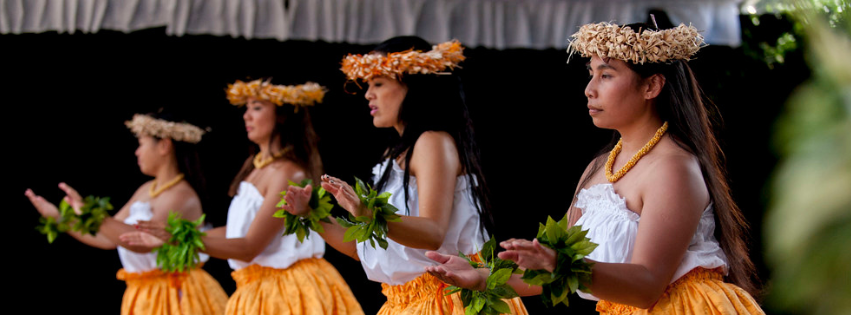
It’s not just a look back—it’s a living, breathing continuation of traditions that have shaped Hawaii for generations. The festival isn’t about putting culture on display like a museum piece. It’s about experiencing it in real time, from the rhythm of hula to the communal joy of kanikapila, where music brings people together in the most organic way possible.
The History of the Aloha Festivals
To really appreciate what Aloha Festivals has become, it helps to rewind a bit. Back in 1946, just after World War II, Hawaii was going through a period of transition. Tourism was beginning to grow, and there was a desire to share Hawaiian culture with the world—but in a way that honored its roots.
That’s where Aloha Week came in. It started as a relatively small but meaningful celebration, designed to preserve Native Hawaiian traditions while inviting visitors to understand the deeper spirit behind them.

Picture those early days: local musicians playing slack-key guitar, hula dancers telling stories through movement, families gathering to make lei by hand. It wasn’t flashy, and it wasn’t meant to be. It was authentic. That authenticity is what gave Aloha Week its staying power.
As the years went on, the celebration grew—naturally, not forcefully. More people came, more events were added, and what started as a single week expanded into something much bigger.
By 1991, the name officially changed to Aloha Festivals, reflecting its broader scope and statewide presence. But even as it grew into the largest Hawaiian cultural celebration in the United States, it never lost its heart.
It's Still Going Strong
Fast forward to today, and Aloha Festivals draws massive crowds, especially on Oahu, where major events regularly bring in over 100,000 attendees. But here’s the interesting part: despite its size, it still feels personal. That’s not something most festivals can claim after eight decades.
The 2026 lineup is a perfect example of that balance between scale and soul. It all kicks off on September 5 with the Royal Court Investiture and Opening Ceremony, a tradition that feels almost like stepping into living history. The Royal Court represents the aliʻi, or Hawaiian royalty, and the ceremony honors their legacy while connecting it to the present day.

Then comes the Waikiki Hoolaulea on September 19, and if there’s one event that captures the energy of the festival, this is it. Picture Kalakaua Avenue transformed into a massive block party filled with food, music, crafts, and people from all walks of life. It’s loud, it’s vibrant, and it’s deeply rooted in community.
The celebration wraps up with the Floral Parade on September 26, a visual spectacle that’s as meaningful as it is beautiful. Floats covered in fresh flowers, traditional paʻu riders, marching bands—it’s the kind of event that sticks with you long after it’s over.
What makes all of this so compelling isn’t just the events themselves. It’s the intention behind them. Aloha Festivals has always been about more than entertainment. It’s about preservation, education, and connection. It’s about making sure that traditions like hula and lei making aren’t just remembered—they’re lived.
That idea of living tradition is especially important today. In a world that moves fast and often forgets where it came from, events like Aloha Festivals serve as a reminder that culture isn’t static. It evolves, but it also needs to be protected and passed down.
There’s also something to be said about how the festival bridges the gap between residents and visitors. It’s not uncommon for cultural events to feel exclusive or, on the flip side, overly commercialized.
A Tradition That Will Carry On
Aloha Festivals manages to avoid both extremes. It invites people in without watering anything down. That’s a delicate balance, and it’s part of why the festival has lasted as long as it has.
For brands and creators inspired by Hawaii, that authenticity is incredibly powerful. It’s not about borrowing aesthetics or surface-level ideas. It’s about understanding the deeper meaning behind the culture—the emphasis on community, respect, and storytelling. That’s something that resonates far beyond the islands.
And maybe that’s the real takeaway here. Aloha Festivals isn’t just a celebration of Hawaii. It’s a reminder of what it means to stay connected—to history, to culture, and to each other. It shows that traditions don’t have to fade with time. They can grow, adapt, and continue to bring people together in meaningful ways.
Eighty years in, and the spirit of aloha is still going strong. Not because it’s been preserved in a vacuum, but because it’s been shared, lived, and embraced by generations. And if the 2026 celebration is any indication, that spirit isn’t going anywhere anytime soon.
To get a taste of our appreciation for Hawaiian culture, check out our store today on Aloha Sun!