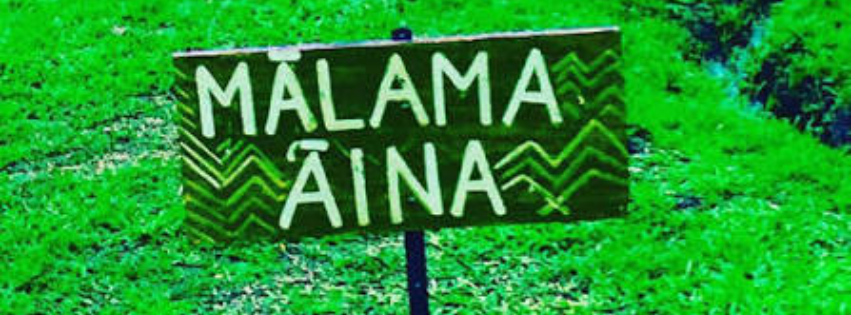
Mālama ʻĀina: Understanding Hawaii’s Deep Connection to the Land
Hawaii is famous for its beaches, volcanic landscapes, lush forests, and vibrant culture. But beneath the beauty is a deeper idea that has shaped Hawaiian life for generations: Mālama ʻĀina. Often translated as “to care for the land,” Mālama ʻĀina represents much more than environmental conservation.
It describes a relationship built on respect, responsibility, and reciprocity.
The land is not simply viewed as something to own or use. It is part of a larger living system that provides food, water, shelter, identity, and a connection to generations past and future.
That philosophy continues to influence how communities across Hawaii approach agriculture, conservation, cultural preservation, and the future of the islands.
The Ancient Roots of Mālama ʻĀina
Long before modern development transformed Hawaii’s landscape, Native Hawaiians developed sophisticated ways to manage the islands’ limited natural resources.
One of the most important systems was the ahupuaʻa, a traditional land division that generally stretched from the mountains toward the ocean. Rather than separating forests, agricultural areas, streams, and coastal waters into unrelated pieces, the system recognized their connections.
Water flowing from higher elevations could support agricultural areas below before eventually reaching the ocean. Communities could access resources from different ecological zones within the same ahupuaʻa, creating a system designed around the natural landscape. Traditional Hawaiian agriculture included carefully managed irrigation, terraced cultivation, and aquaculture.
Taro was cultivated in loʻi, or irrigated agricultural areas, while coastal fishponds known as loko iʻa provided another important source of food. These systems required extensive knowledge of seasons, weather, water movement, plants, animals, and the behavior of the surrounding environment.
Resource management was therefore not simply about producing food. It was about understanding how the entire ecosystem worked together.

More Than Environmentalism: A Cultural Worldview
Mālama ʻĀina carries a spiritual and cultural meaning that goes beyond modern ideas about conservation. The word ʻāina refers to the land, while mālama conveys the idea of caring for, tending, or protecting.
Within Hawaiian cultural traditions, the relationship between people and the land is reciprocal. The land provides sustenance, while people have a responsibility to care for it. This relationship is closely connected to concepts such as aloha, lokahi, and kuleana. Aloha reflects love and respect, lokahi emphasizes harmony and unity, and kuleana represents responsibility.
Together, these values help explain why Mālama ʻĀina is often understood as a way of life rather than simply an environmental slogan. Cultural traditions, including chants, ceremonies, stories, and practices connected to particular places, have helped preserve this relationship across generations.
Caring for the land can also mean caring for the cultural knowledge and history connected to that land.
Traditional Hawaiian Agriculture Was Built Around Sustainability
Traditional farming in Hawaii demonstrated how closely food production could be connected to environmental stewardship. Polyculture allowed different crops to be grown together in ways that made efficient use of available land and resources.
Taro cultivation in loʻi depended on carefully managed water systems, while other crops could be grown in different environments depending on elevation and rainfall. Fishponds provided another example of resource management.
Loko iʻa allowed communities to raise and harvest fish while maintaining productive coastal ecosystems. These practices helped create food systems adapted to Hawaii’s unique geography.
They also demonstrated an important principle behind Mālama ʻĀina: resources should be used carefully enough that they remain available in the future.
Mālama ʻĀina in Modern Hawaii
Mālama ʻĀina did not disappear as Hawaii entered the modern era. Instead, its principles continue to appear in contemporary conservation and cultural programs.
Across the islands, organizations and community groups work to restore forests, protect watersheds, remove invasive species, preserve native habitats, and protect marine environments. Volunteer programs give residents and visitors opportunities to participate in restoration projects and other environmental activities.
Marine conservation is particularly important because Hawaii contains ecosystems that are both biologically rich and highly vulnerable. Coral reefs, wetlands, forests, and other habitats support species found nowhere else in the world.
Protecting those environments is therefore about more than maintaining scenic landscapes. It also helps preserve the ecological systems that support communities and Hawaii's unique natural heritage.
Protecting Natural Resources for Future Generations
The idea of stewardship is central to Mālama ʻĀina. Traditional approaches to fishing, gathering, farming, and water management were based on an understanding that natural resources were not unlimited. Responsible harvesting helped protect resources so they could continue supporting the community.
That same principle remains relevant today. Sustainable fishing, habitat restoration, watershed protection, reforestation, and efforts to control invasive species all reflect the broader goal of maintaining healthy ecosystems over the long term.
Mālama ʻĀina encourages a shift in perspective. Instead of asking only what the land can provide today, the philosophy encourages consideration of what will remain for the people who come next.

Mālama ʻĀina and the Revitalization of Hawaiian Culture
Environmental stewardship and cultural preservation are closely connected in Hawaii. Restoring traditional agricultural systems, learning Native Hawaiian land-management practices, and reconnecting communities with important places can help preserve knowledge that might otherwise be lost.
Educational programs and cultural workshops have helped introduce younger generations to traditional practices and the stories associated with the land. Hands-on projects can make those lessons especially meaningful because participants are not simply learning about stewardship in a classroom.
They are actively participating in it. This connection between culture and conservation has helped Mālama ʻĀina remain relevant in contemporary Hawaii. Caring for a forest, stream, farm, or coastline can also mean protecting the history and cultural knowledge associated with that place.
The Role of Community
Mālama ʻĀina is not something that can be accomplished by one person or organization alone. Community cleanups, restoration projects, educational programs, volunteer efforts, and cultural activities all demonstrate how collective action can make environmental stewardship part of everyday life.
These efforts also strengthen connections between people. Working together to restore a watershed or protect a native habitat creates a shared sense of responsibility. That community element is important because Mālama ʻĀina is fundamentally relational. It connects people with the land and with one another.
The Challenges Facing Mālama ʻĀina
Modern Hawaii faces many pressures that can make traditional stewardship more difficult. Urban development, infrastructure projects, population growth, tourism, habitat loss, pollution, and invasive species can place significant stress on natural environments.
Development can also affect culturally significant areas and landscapes that carry historical importance. Climate change adds another layer of complexity. Rising temperatures, changing rainfall patterns, coastal impacts, and other environmental changes can affect ecosystems and traditional ways of life.
These challenges do not make Mālama ʻĀina less relevant. In many ways, they make the philosophy even more important. The principle offers a framework for considering how environmental decisions affect communities, ecosystems, and future generations.
Why Mālama ʻĀina Still Matters
Mālama ʻĀina provides a powerful reminder that environmental stewardship is not only about rules, regulations, or conservation projects. It can also be about relationships. The health of Hawaii’s forests affects its watersheds.
Healthy watersheds support agriculture and communities. Coastal ecosystems depend on what happens upstream. Cultural traditions are tied to particular landscapes and natural resources. Everything is connected.
That interconnectedness is one of the most important lessons within Mālama ʻĀina. Caring for one part of the environment can have benefits that extend far beyond a single location.
The Future of Mālama ʻĀina
The future of Mālama ʻĀina will likely depend on finding ways to bring traditional knowledge and modern environmental practices together. Scientific research, conservation technology, public policy, education, and community action can all contribute to protecting Hawaii's natural resources.
At the same time, traditional Hawaiian knowledge offers generations of experience with the islands' ecosystems. Combining these perspectives can create stronger approaches to conservation while respecting the cultural significance of the land. For Hawaii, the goal is not simply to preserve beautiful scenery.
It is to maintain healthy ecosystems, protect cultural heritage, support communities, and ensure that future generations inherit an environment capable of sustaining them.
What Does Mālama ʻĀina Mean?
Mālama ʻĀina is commonly translated as “to care for the land.” The phrase represents a broader Hawaiian philosophy of stewardship, respect, responsibility, and reciprocity between people and the natural world.
How Is Mālama ʻĀina Practiced?
Mālama ʻĀina can be expressed through sustainable agriculture, responsible resource use, habitat restoration, conservation programs, cultural education, and community projects. Traditional Hawaiian practices and contemporary environmental efforts can both reflect its principles.
Why Is Mālama ʻĀina Important?
Mālama ʻĀina helps connect environmental stewardship with Hawaiian cultural values. It encourages the protection of ecosystems while also preserving traditional knowledge, cultural relationships, and resources for future generations.
What Threatens Mālama ʻĀina?
Development, habitat loss, pollution, invasive species, environmental degradation, and climate-related changes can all create challenges. Balancing economic activity and modern needs with environmental and cultural stewardship remains an important issue for Hawaii.
Mālama ʻĀina: A Philosophy With a Future
Mālama ʻĀina is an idea rooted in Hawaii’s past, but its message reaches well into the future. The principle asks people to look beyond immediate needs and recognize the relationship between the land, the community, and generations yet to come. It encourages responsible use of resources while emphasizing respect for the natural and cultural systems that make Hawaii unique.
As the islands continue to face development pressures and environmental challenges, Mālama ʻĀina offers a valuable perspective: the land is not simply a resource to consume. It is something to understand, respect, protect, and care for.
That philosophy remains one of the most meaningful ways to understand Hawaii’s enduring connection to ʻāina.